About the Project
The Cookstove Project aims to replace traditional three-stone fires with clean and efficient cookstoves which will improve health, reduce smoke, conserve fuel and create sustainable livelihoods especially for women. Supporting this vision, Meensou India Private Limited, in partnership with MyClimate is implementing the Utkal Uday Project across the rural districts of Angul, Bargarh, Jharsuguda, Sambalpur, Sundargarh in Odisha by introducing the innovative “Prathamesh-1” cookstove to drive positive change and promote SDGs 3, 5, 8 and 13. This approach underscores the interconnectedness of sustainable development goals and the transformative potential of clean cooking solutions.
Guided by our mission to foster community through decent work and sustainable economic growth, we are deepening our commitment to uplift the weavers among our Utkal Uday project’s beneficiaries.
Our focus is on creating meaningful, lasting impact by nurturing livelihood opportunities that are deeply rooted in cultural heritage with a special emphasis on the exquisite art of the Sambalpuri Ikat Saree. By celebrating and championing this timeless craft, we not only preserve a rich tradition but also empower communities with dignity, purpose and pride in their cultural identity. Through this initiative, we aspire to weave stories of resilience, self-reliance and shared prosperity one thread at a time.
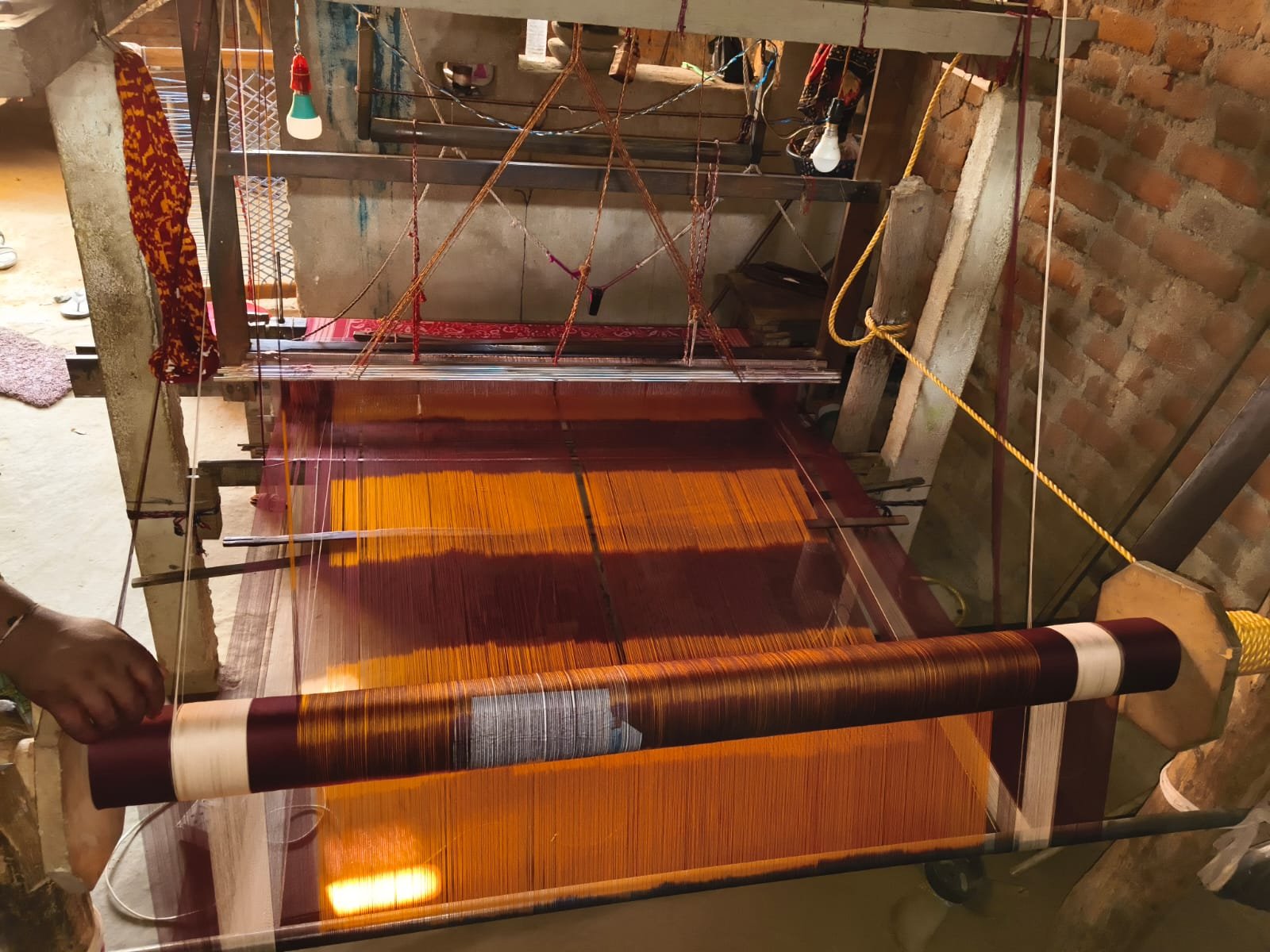
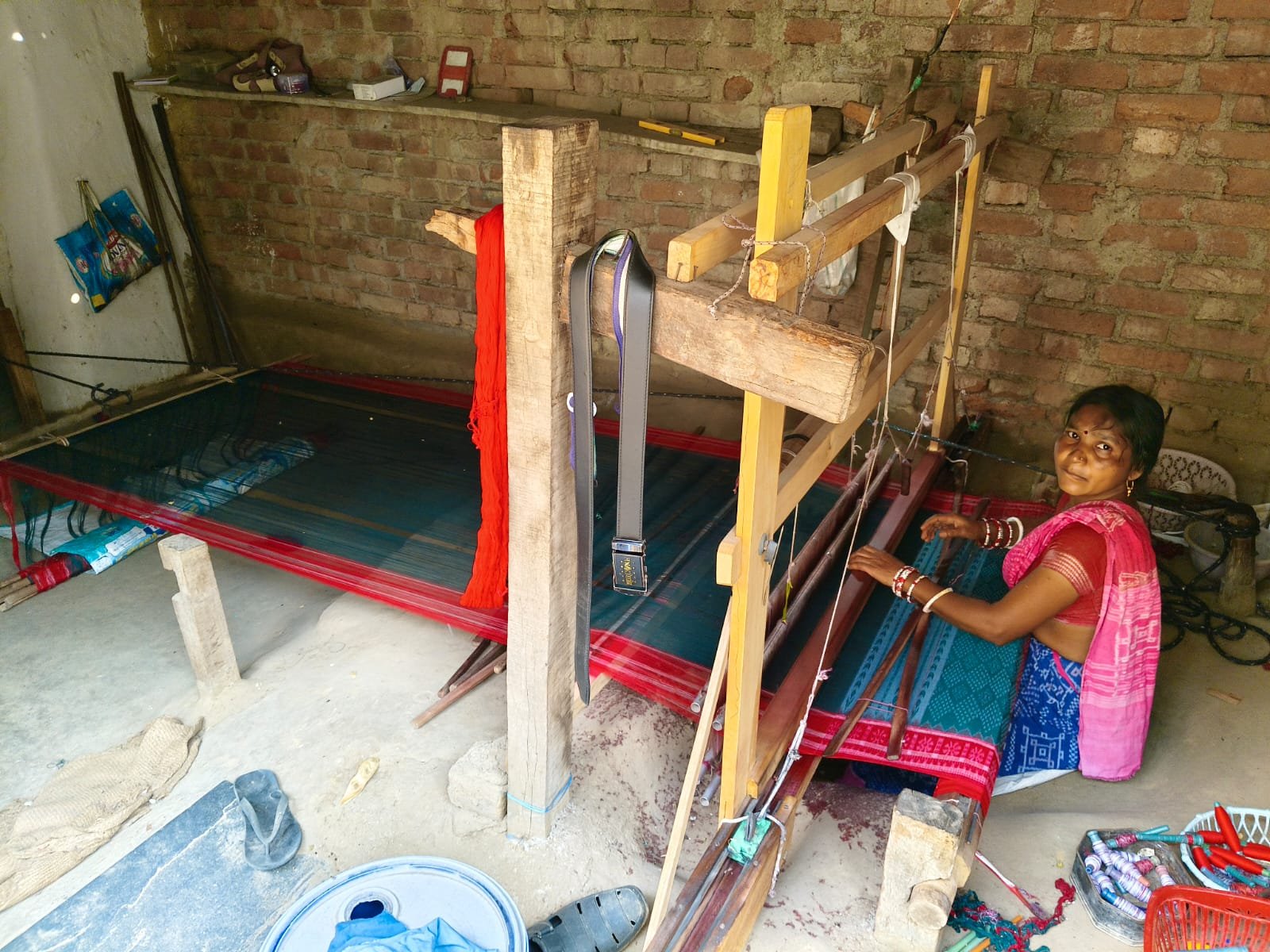
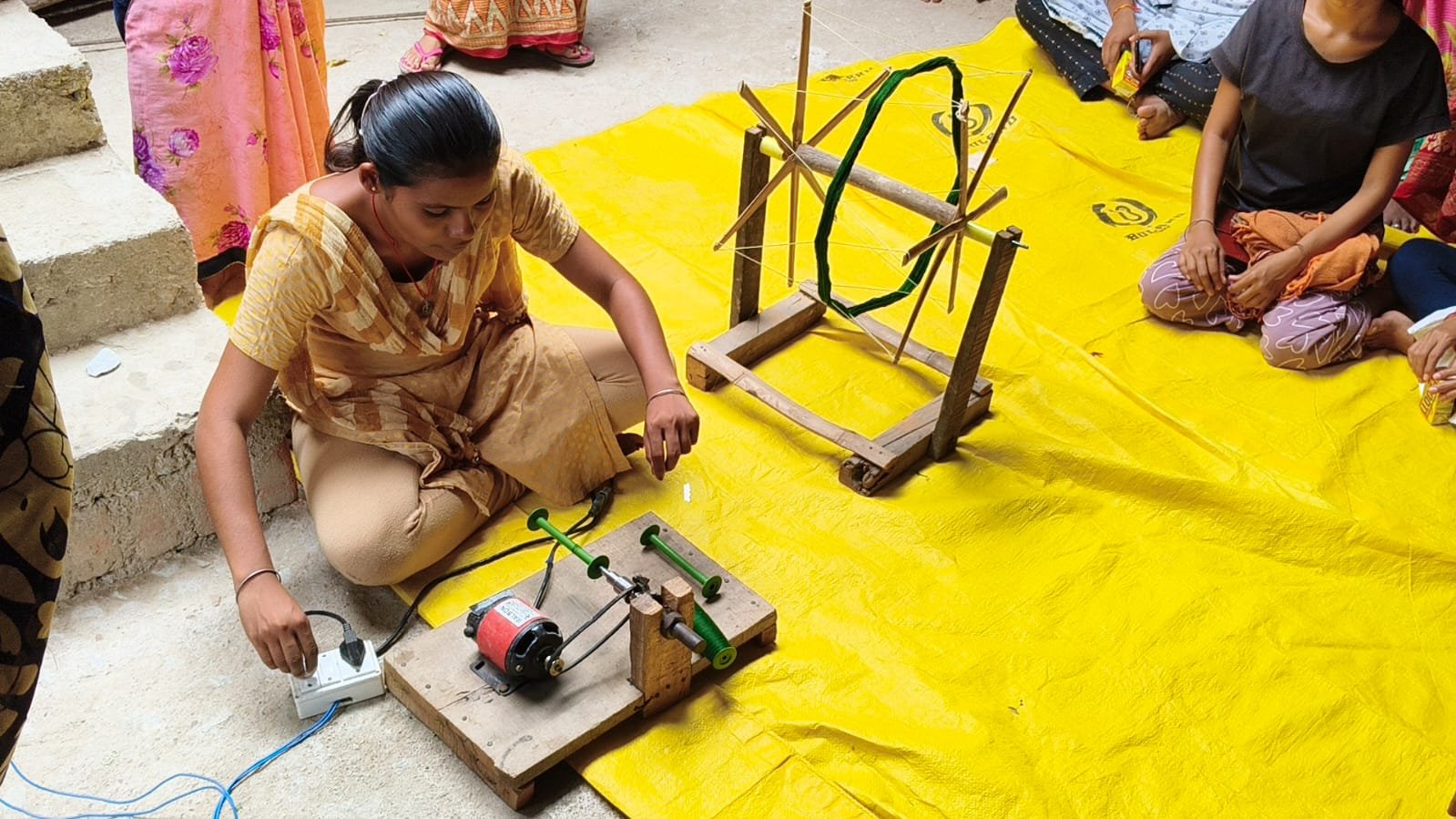
Watch the Ikat Weaving Process
The Ikat: A Tapestry of India’s Rich Textile Heritage
Ikat sarees stand as a remarkable reflection of India's diverse textile traditions, admired for their complex craftsmanship and distinctive aesthetics. What sets them apart is the meticulous tie-dye process, where threads are carefully dyed in specific patterns before the weaving begins. This technique results in beautifully blurred, vibrant motifs that appear woven into the fabric itself which makes each saree a unique piece of art that blends tradition with visual elegance. Each region in India has its own distinct style of Ikat, which can be distinguished through its unique cultural significance and craftsmanship of that area. In Telangana, Pochampally Ikat stands out with its sharp geometric designs and bright, bold hues, creating visually striking patterns. Gujarat’s Patan Patola, renowned for its luxurious double Ikat technique is known for its highly intricate motifs including elephants, parrots and flowers, which makes it a symbol of opulence and artistry. The Rajkot Patola, a simpler and more affordable version offers vibrant designs, making it accessible while still retaining the spirit of this traditional craft.
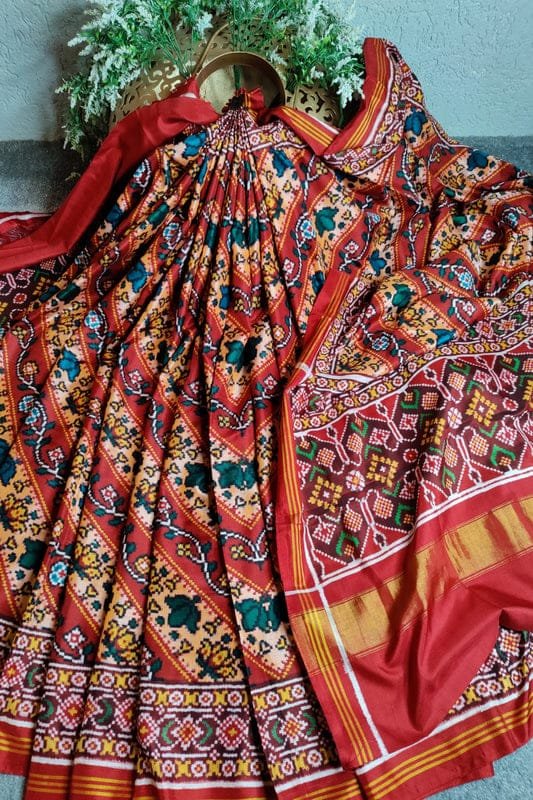
Patan Patola
Gujarat – Double Ikat, intricate motifs like elephants & flowers.
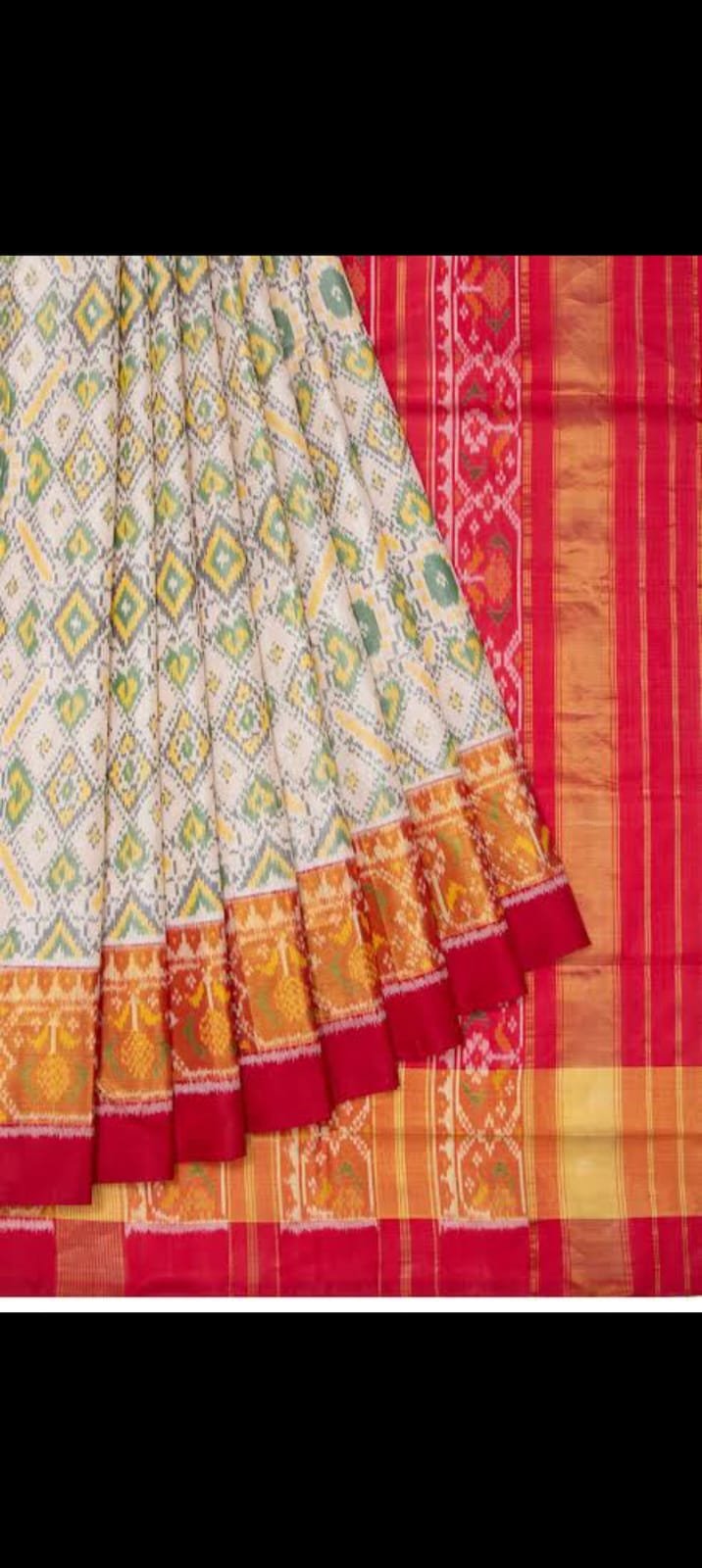
Rajkot Patola
Gujarat – Single Ikat, vibrant but simpler motifs.
Odisha, with its rich legacy of textile artistry is home to a remarkable range of Ikat traditions. Among the most celebrated is the Sambalpuri Ikat known for its symbolic motifs such as shells, wheels and intricate geometric patterns that carry deep spiritual significance. Equally revered is the Khandua or Nuapatna Ikat traditionally used for temple rituals and sacred attire featuring refined designs infused with religious devotion. The Bomkai Saree another treasured weave that traces its roots to Bomkai village in Ganjam and flourished under the skilled hands of the Bhulia community in Subarnapur. Together with a spectrum of other traditional weaves that reflects the depth of Odisha’s textile tradition where each saree showcases a vibrant narrative of heritage, identity and craftsmanship.
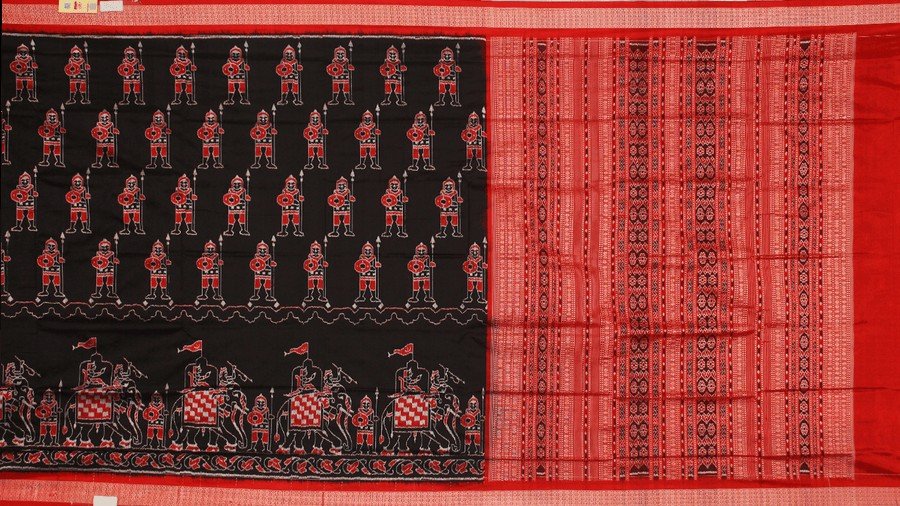
Sambalpuri Ikat
Odisha – Shells, wheels, and spiritual motifs.
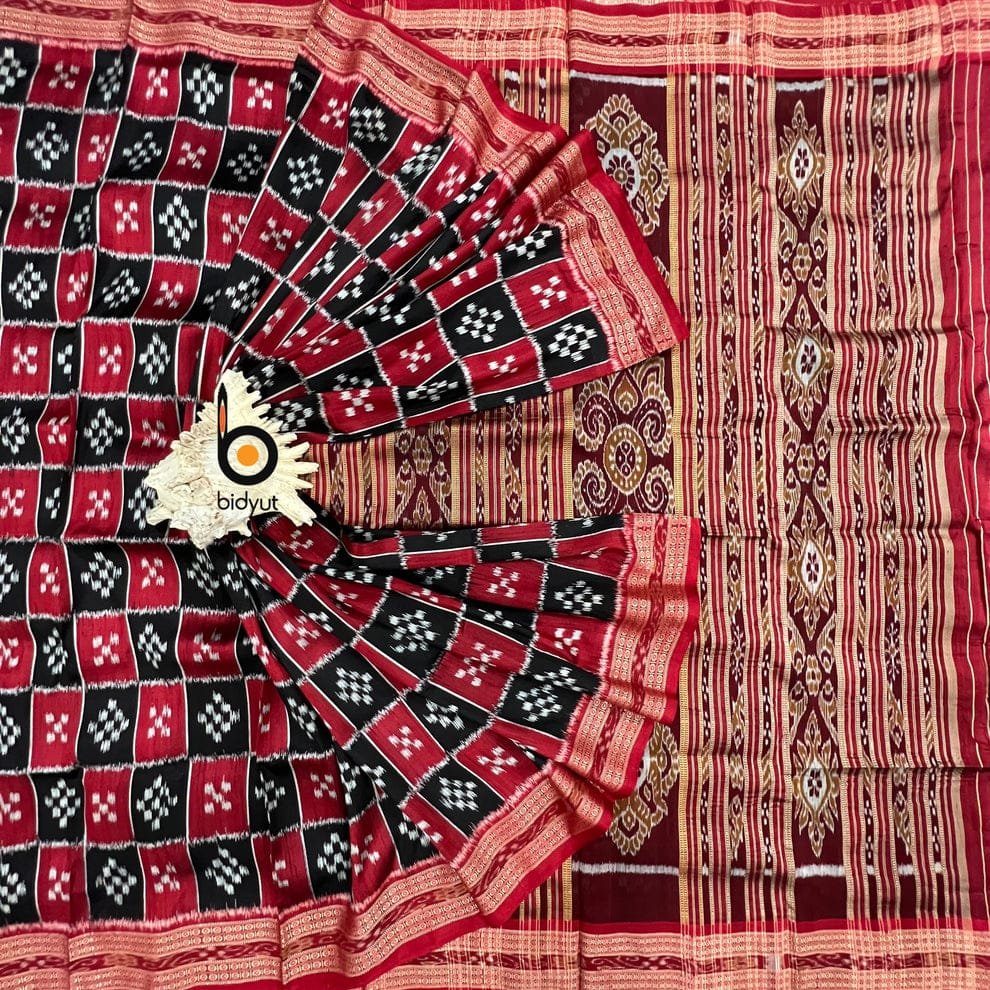
Khandua (Nuapatna Ikat)
Odisha – Religious motifs, sacred red/orange tones.
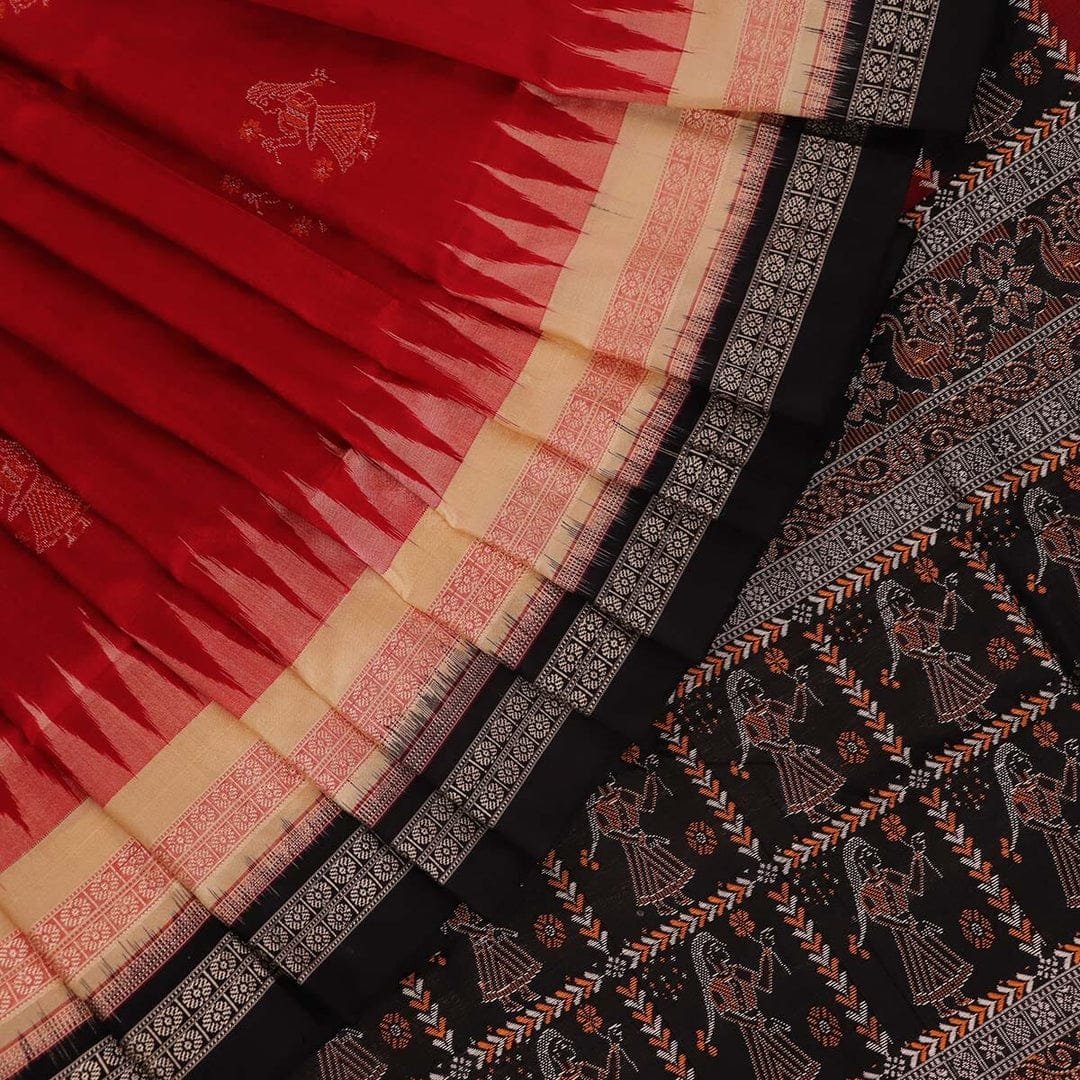
Bomkai Saree
Odisha – Handloom with floral/animal motifs.
In Andhra Pradesh and Telangana, the Telia Rumal stands apart with its unique technique involving oil-treated yarns which results in striking square and diamond motifs. This method of dyeing adds a glossy finish to the fabric enhancing its visual appeal. The Telia Rumal was traditionally used as a headscarf but has since been revived into a sought-after art form.
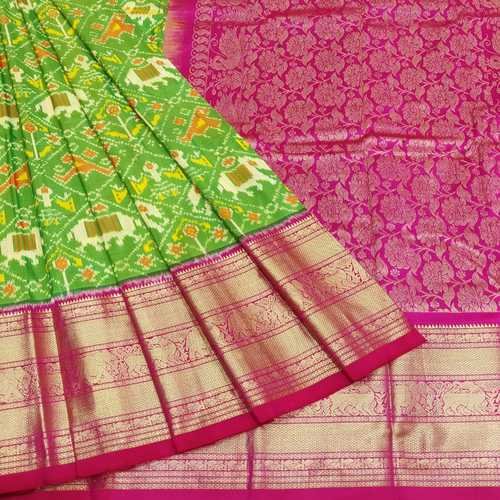
Pochampally Ikat
Telangana – Single Ikat, geometric patterns, bright and bold colors.
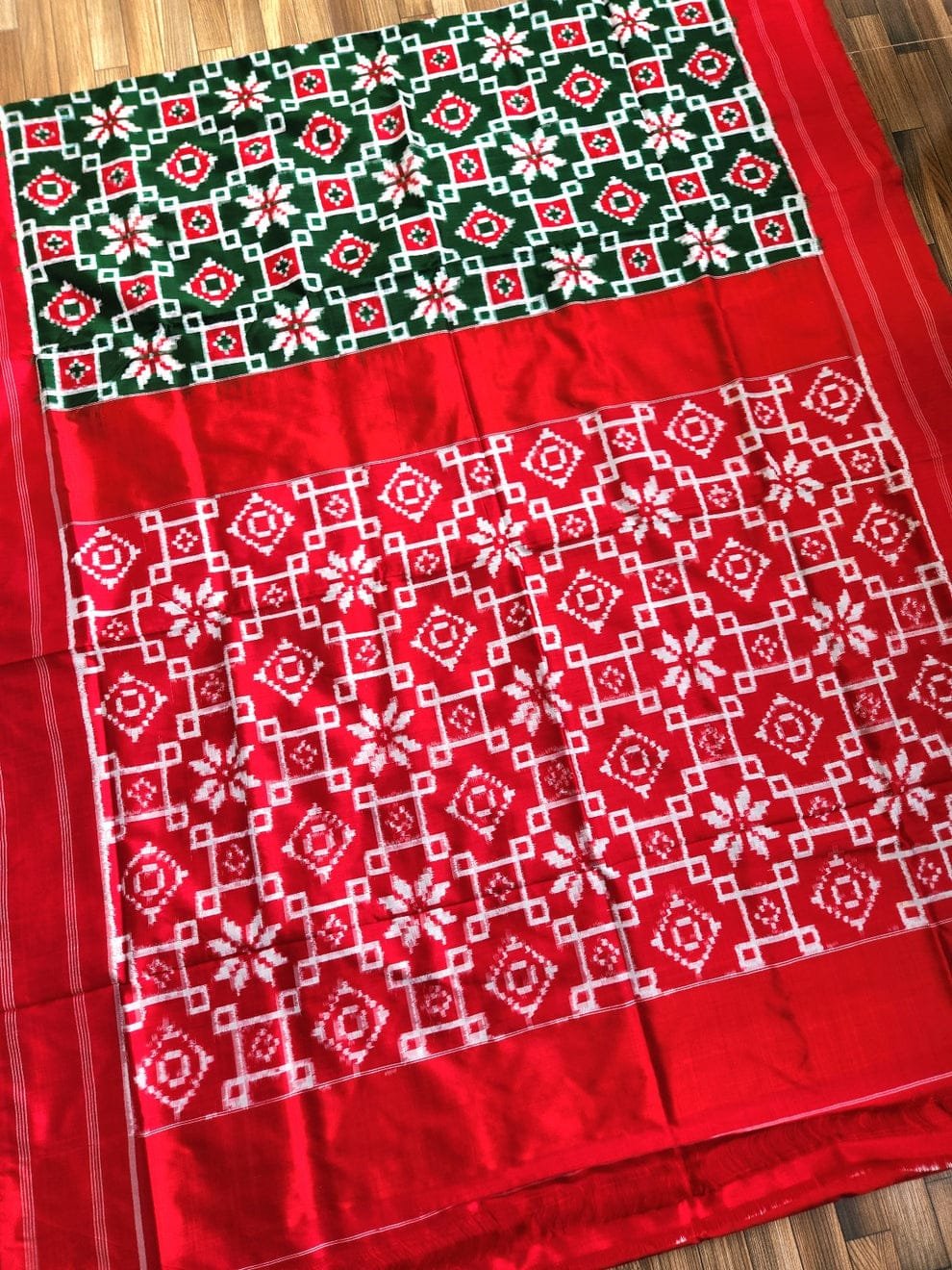
Telia Rumal
AP & Telangana – Checkered, oil-treated glossy finish.
Together, these regional variations of Ikat weaving across India celebrate the diversity, beauty and artistry inherent in each region’s textile tradition. Every saree is a masterpiece that is a true testament to the skill, tradition and local identity of the artisans who painstakingly create them. Whether it’s the geometric precision of Pochampally, the luxurious double Ikat of Patan Patola or the cultural symbolism of Sambalpuri Ikat, each saree weaves a story of heritage, craftsmanship and artistic excellence.
Discovering the Artistry of Odisha’s Ikat: A Closer Look at its Diverse Varieties
Odisha's Ikat sarees are a captivating blend of tradition, craftsmanship and artistic expression. The single Ikat Sambalpuri saree woven with warp Ikat yarn is renowned for its elegant designs like Sara Bandha, Bichitrapuri, Utkalalaxmi, Tapoi, and Aradhana, each named for its unique motifs. The double Ikat Sakata or Passapali saree is a centuries-old craft that features meticulously dyed yarns where the colours align perfectly after weaving to create stunning symmetric designs. The Bomkai sarees which are available in cotton or silk are known for their unique border and pallav ikat patterns often complemented by extra weft yarns that form delicate motifs like flowers and animals but notably the silk Bomkai saree combines smooth, geometric designs with the intricate beauty of Ikat weaving.
Additionally, unique varieties such as Bichitrapar and Saktapar both from western Odisha showcases designs that often are worn on special occasions. The Gitagovinda saree is one of the oldest surviving religious Ikats that reflects vibrant motifs and sacred themes. Khandua sarees from Nuapatna are celebrated for their fine silk and cotton craftsmanship. The Berhampuri saree recognized with a GI tag features the distinctive Odissi weaving tradition. Similarly, the Kotpad fabric from Koraput district, also GI-tagged is valued for its organic production and eco-friendly appeal. In central Odisha, the weaving tradition of Maniabandha adds another unique layer to the state's vibrant textile landscape.
These sarees with their wide variety of textures, patterns and colours, reflect the rich cultural legacy of Odisha, celebrating the region's textile artistry with every weave.
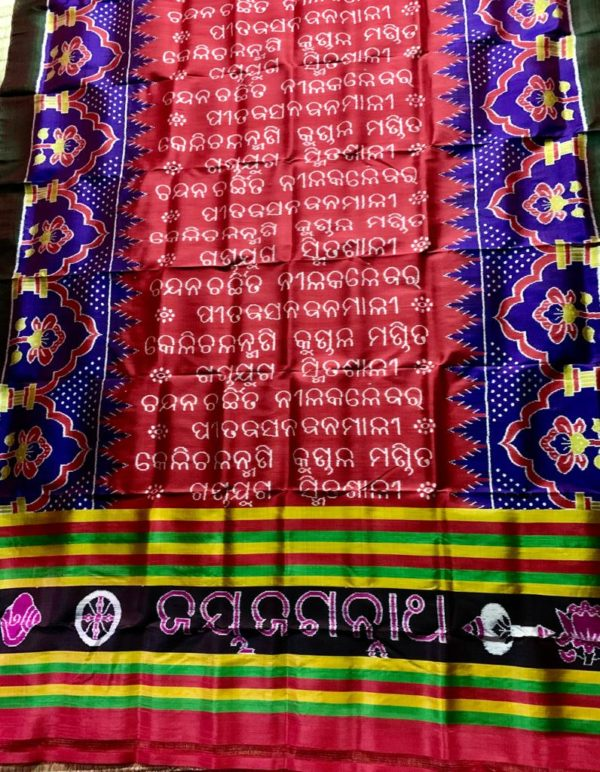
Gitagovinda Saree
Odisha – Religious theme, old Ikat tradition with Sanskrit script or devotional motifs.
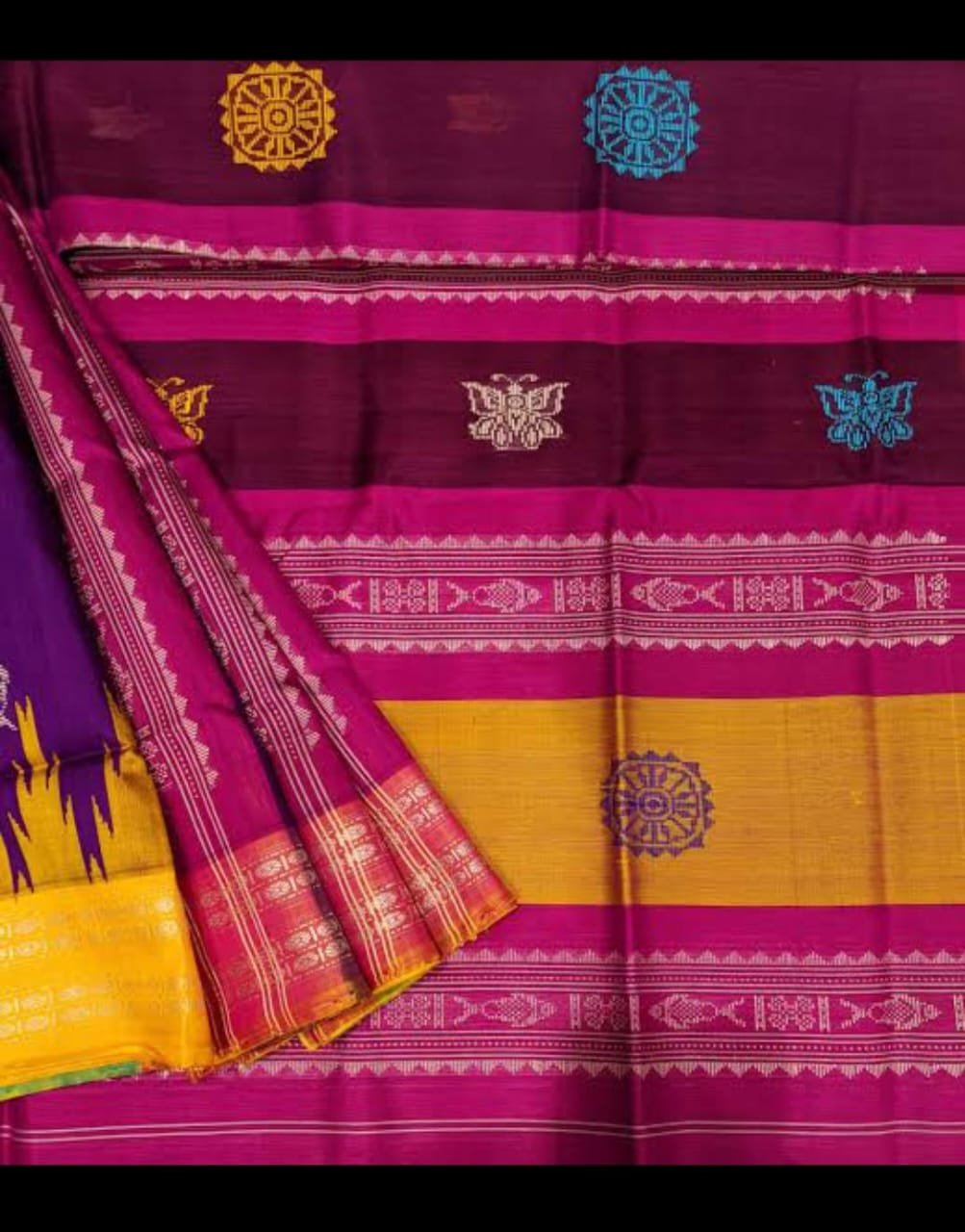
Berhampuri Saree
Berhampur, Odisha – GI-tagged, Odissi-style temple borders and flowing drape.
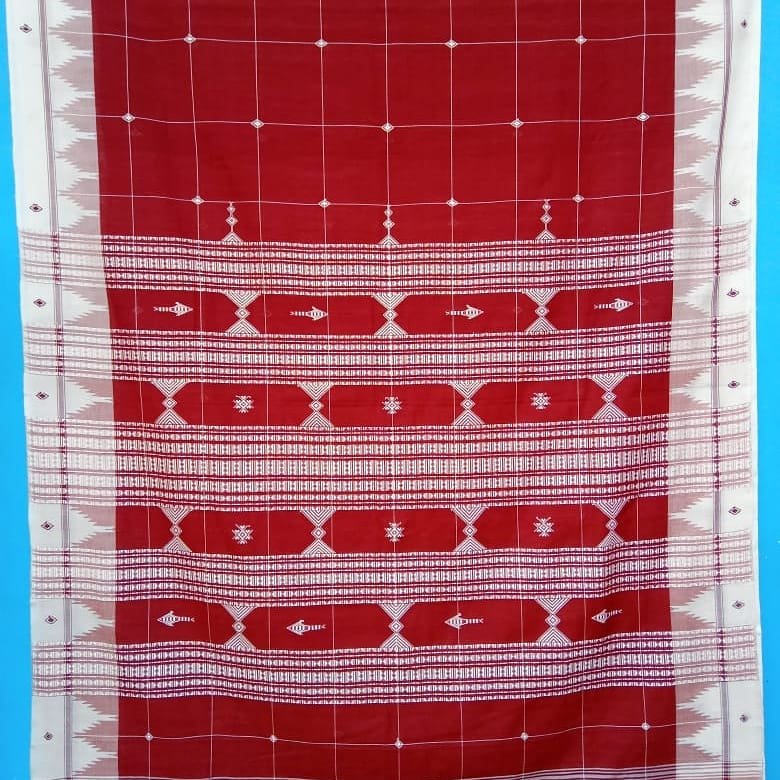
Kotpad Fabric
Koraput, Odisha – Organic saree with earthy tones and natural tribal motifs.
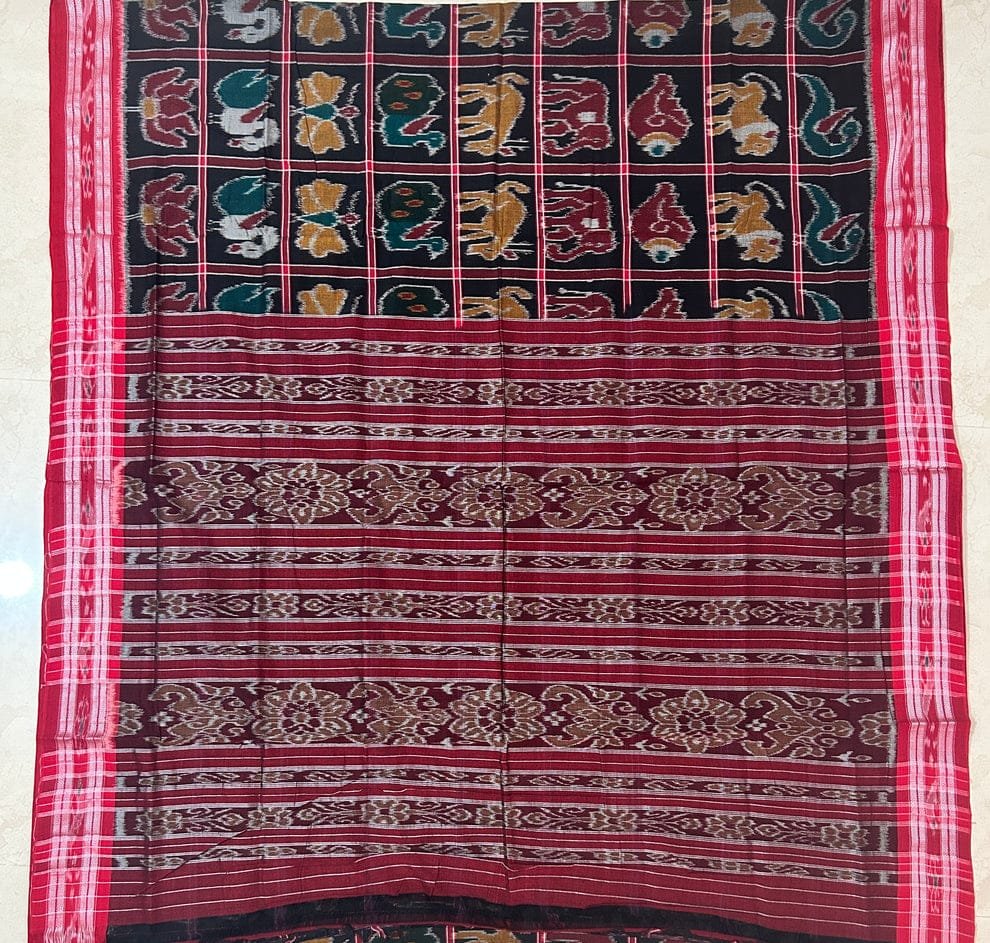
Maniabandha Saree
Central Odisha – Unique regional weaving with elegant stripes and patterns.
Sambalpuri Ikat Sarees: A Journey Through Varieties
Sambalpuri Ikat sarees are a timeless expression of Odisha's rich textile heritage which is known not just for their aesthetic charm but also for the extraordinary craftsmanship that goes into each piece. Every saree reflects the manual work which are steeped in tradition and woven with stories.
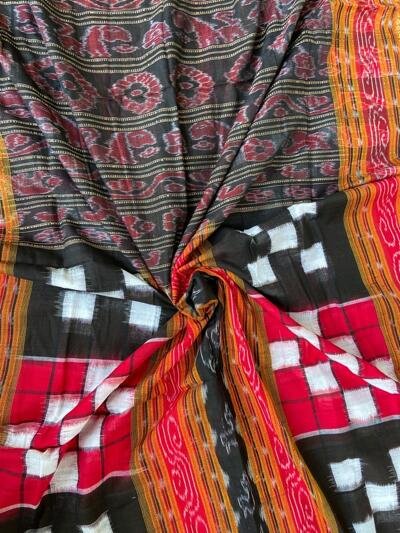
Sara Bandha
Known for geometric patterns and cultural motifs like the conch shell and wheel.
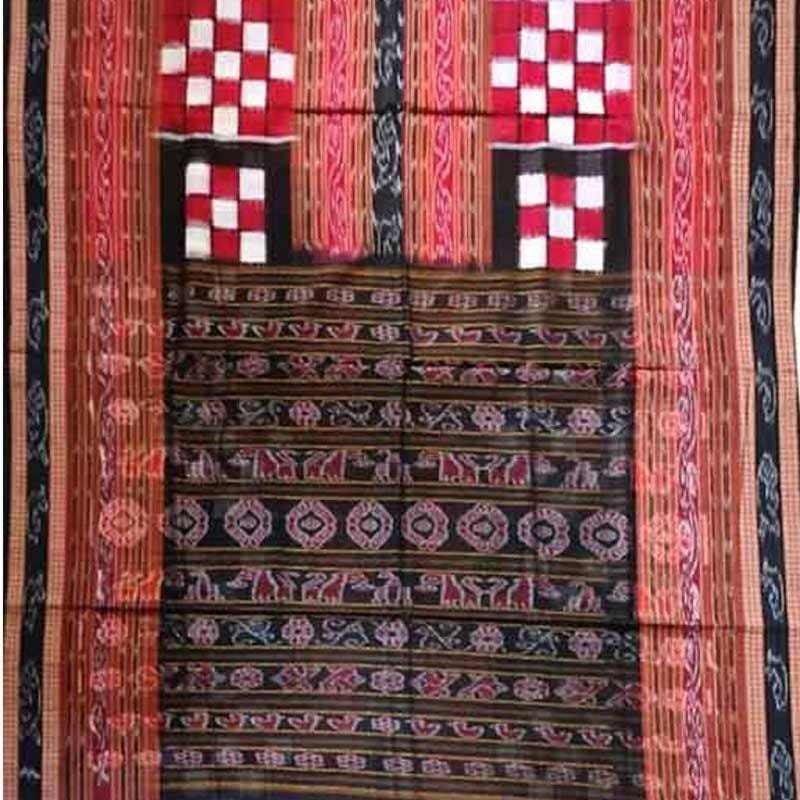
Bichitrapuri
Features detailed motifs inspired by nature and divine symbols.
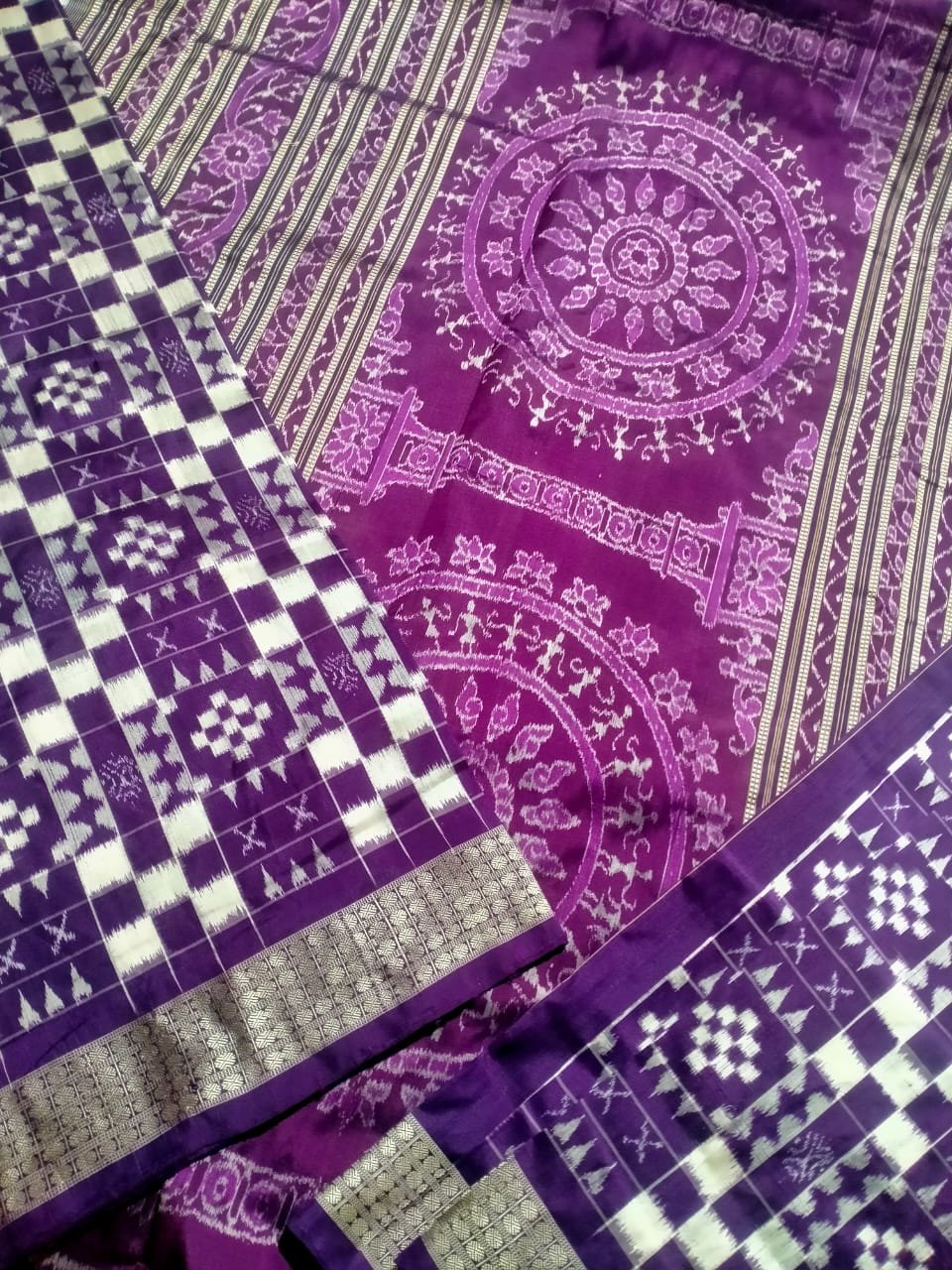
Utkalalaxmi
Symbolizes prosperity, with delicate, sacred designs.
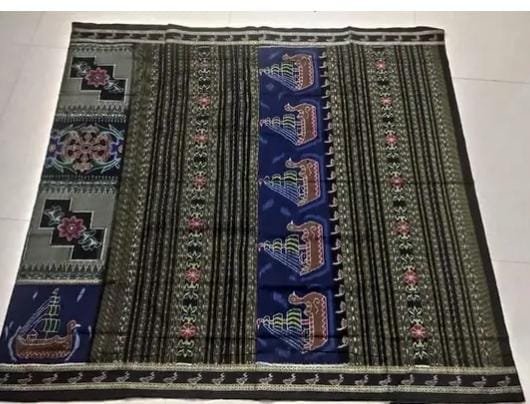
Tapoi
Recognized for bold tie-dye patterns and a mix of geometric and floral motifs.
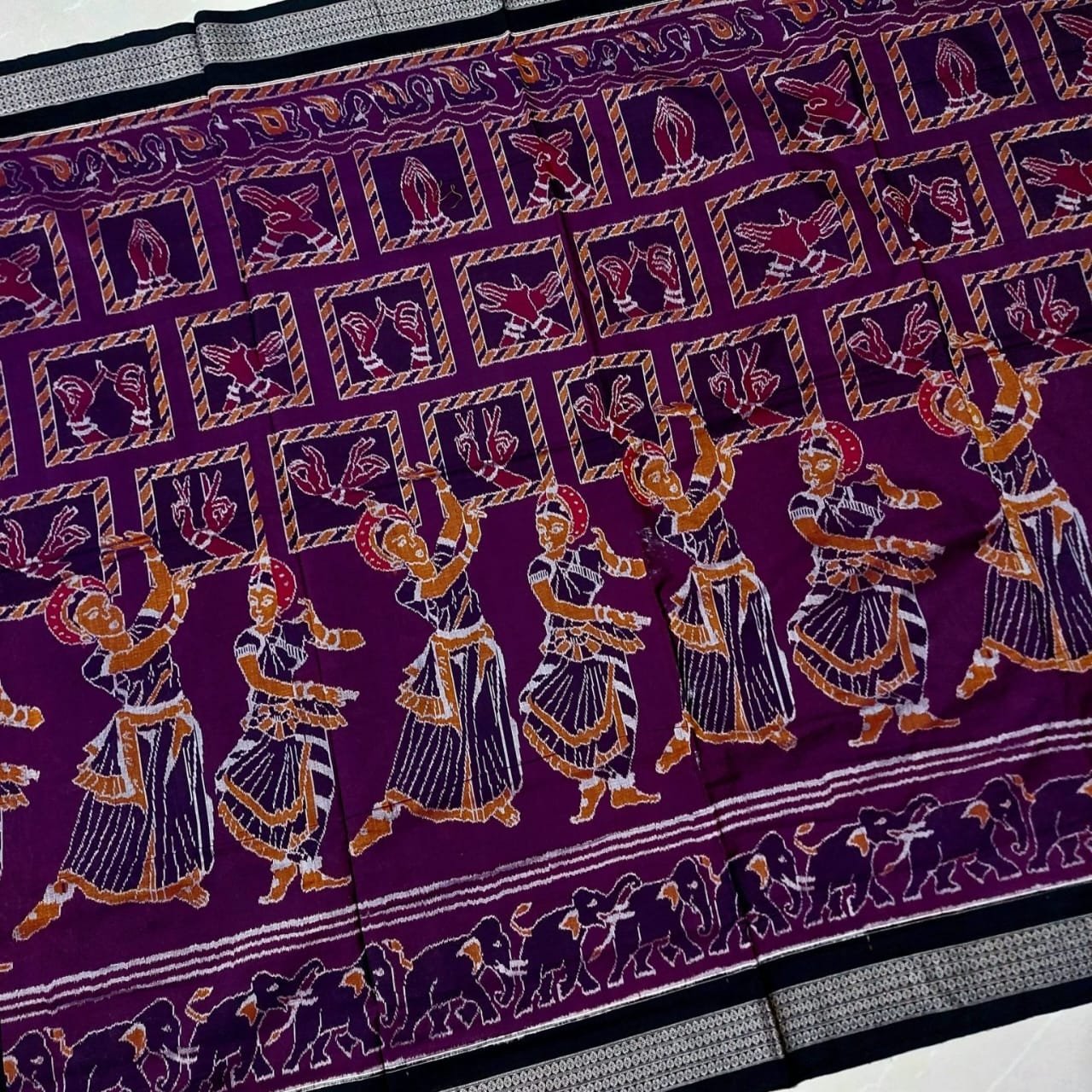
Aradhana
Depicts cultural motifs and symbols of devotion with intricate designs.
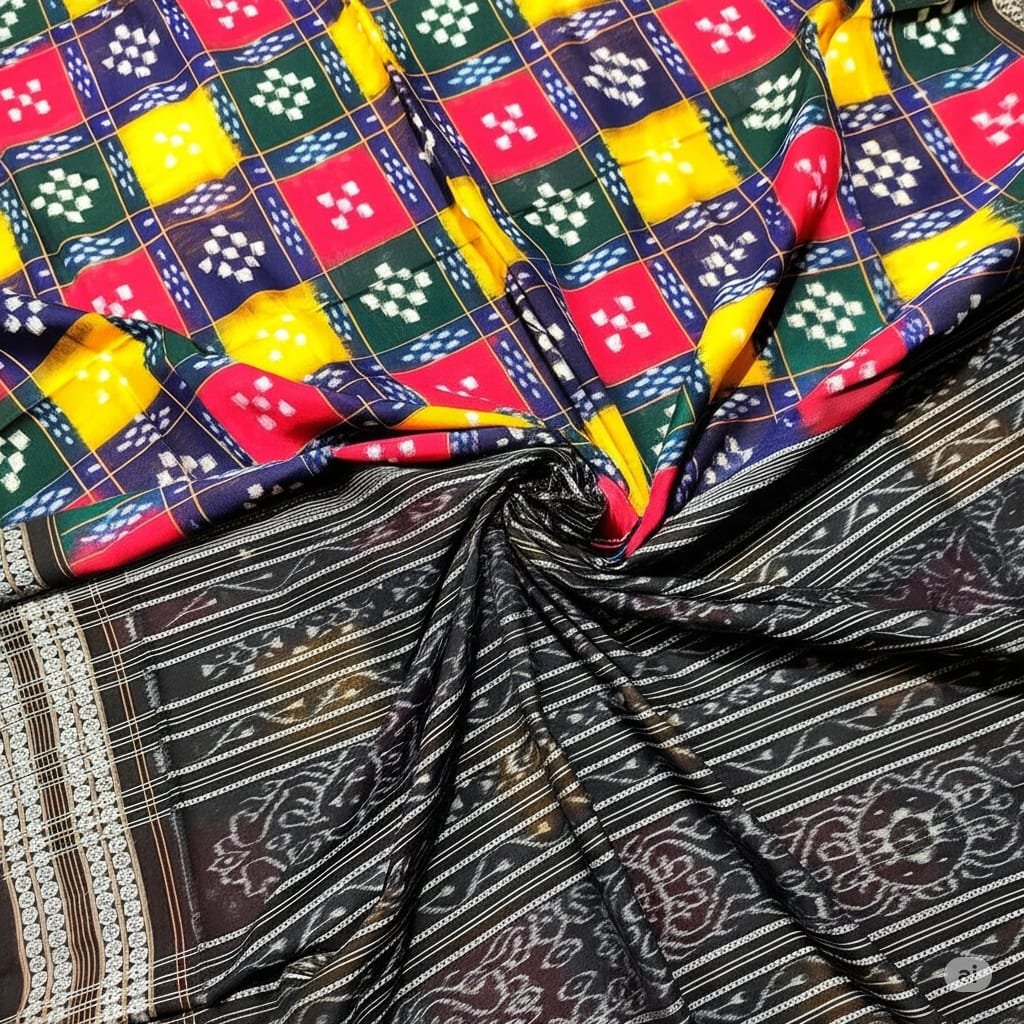
Pasapalli
Famous for striking geometric patterns with squares and rectangles.
saree.jpeg)
Sonepuri
Combines Ikat and extra-weft techniques with vibrant floral and geometric designs.
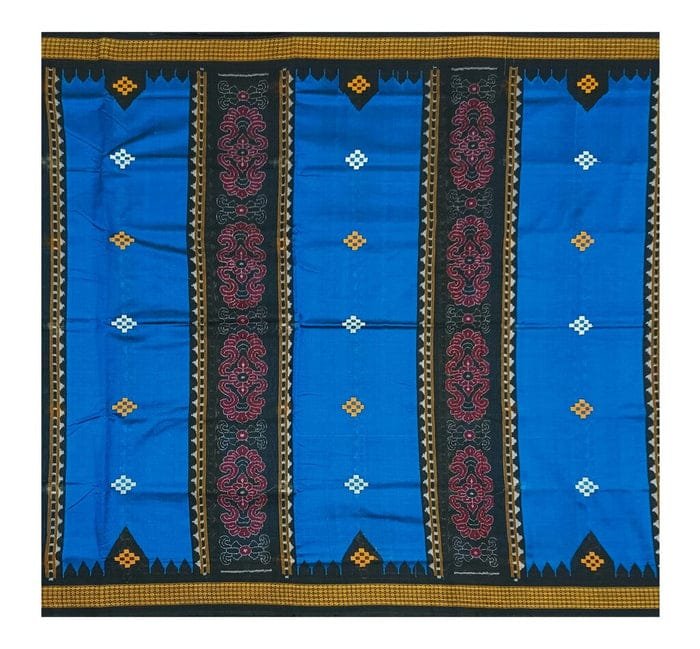
Bapta
Features simple, elegant patterns with traditional motifs.
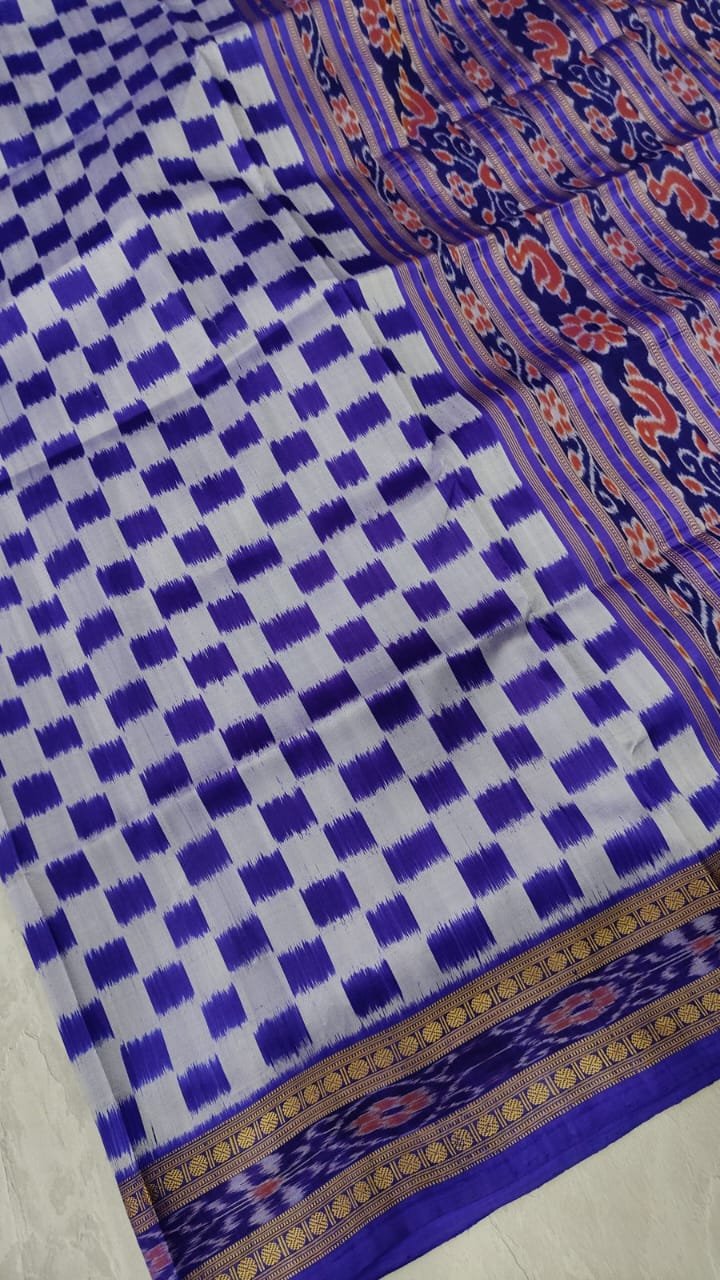
Half-Half
Contrasting colours and designs on each half of the saree.
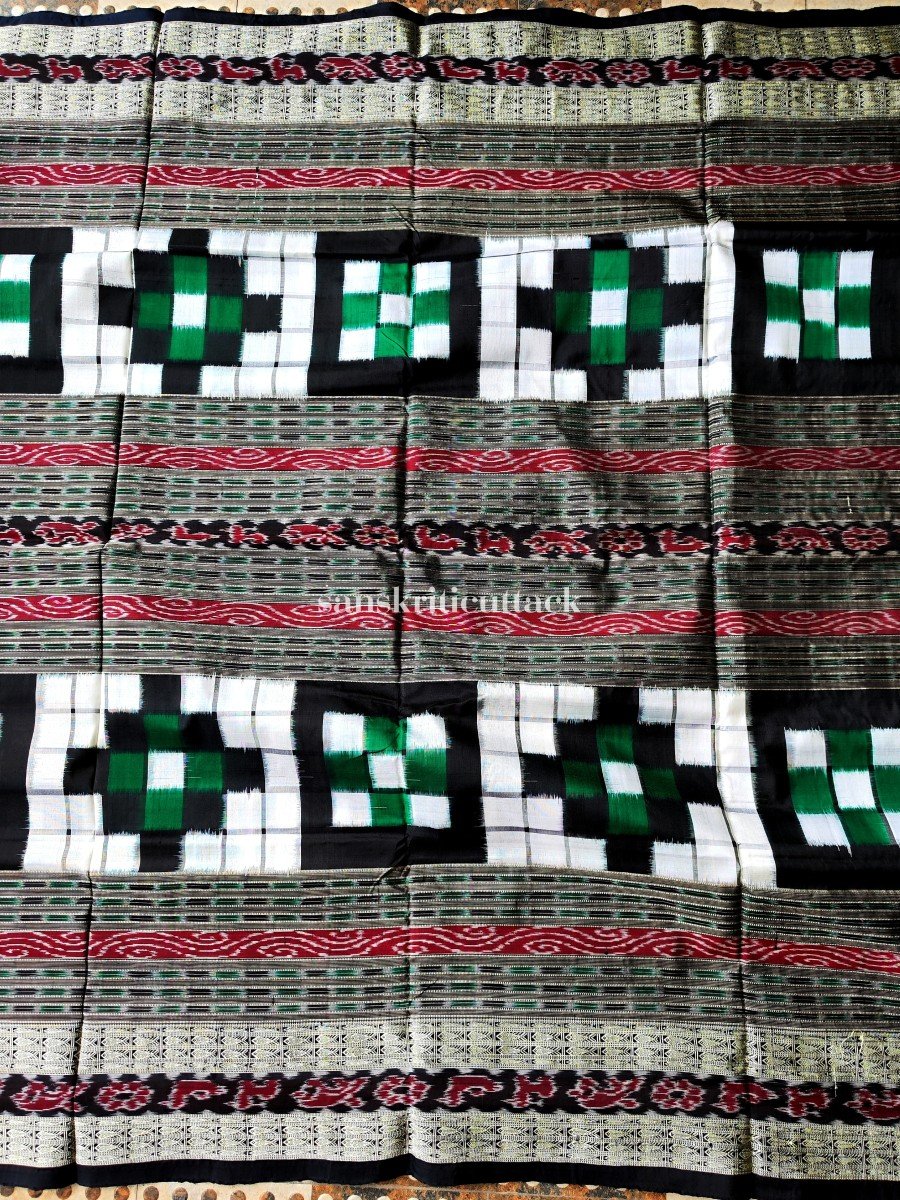
Bichitrapar
Known for elaborate designs with natural motifs, often worn during special occasions.
Explore the Diverse Body Designs of Sambalpuri Ikat Sarees
Sambalpuri Ikat sarees feature a variety of body designs with each having distinct cultural and symbolic significance. Some popular designs include:
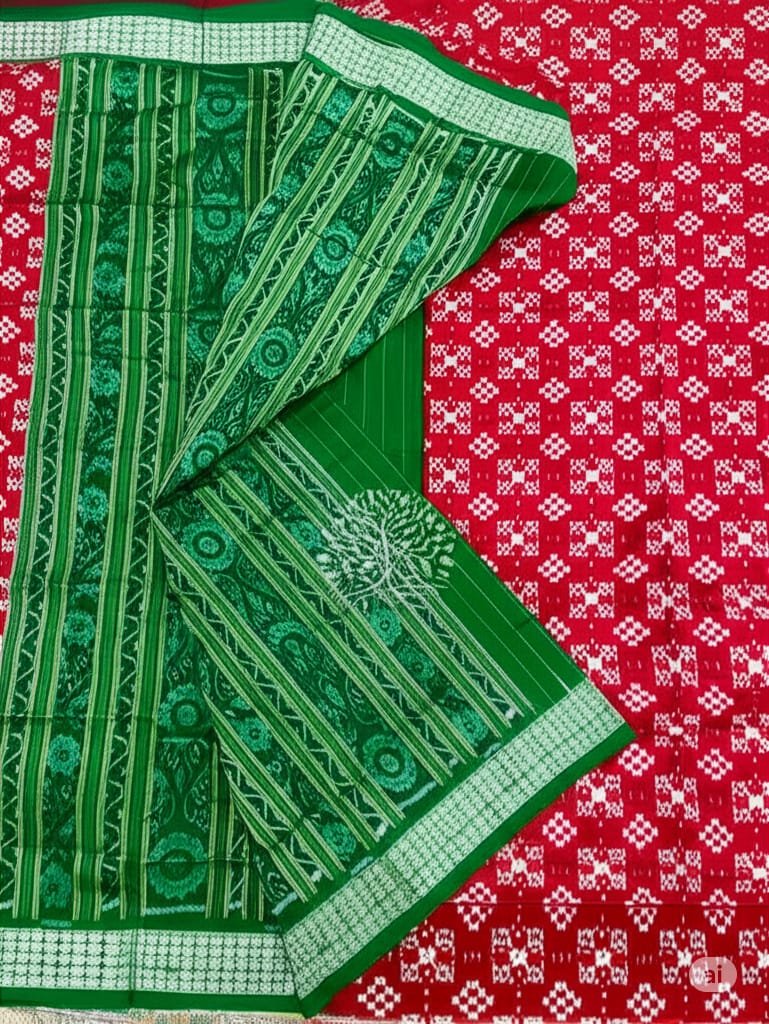
Sapalli Design
Floral and leaf motifs, symbolizing fertility and nature’s abundance. Often seen in red, yellow, and green.
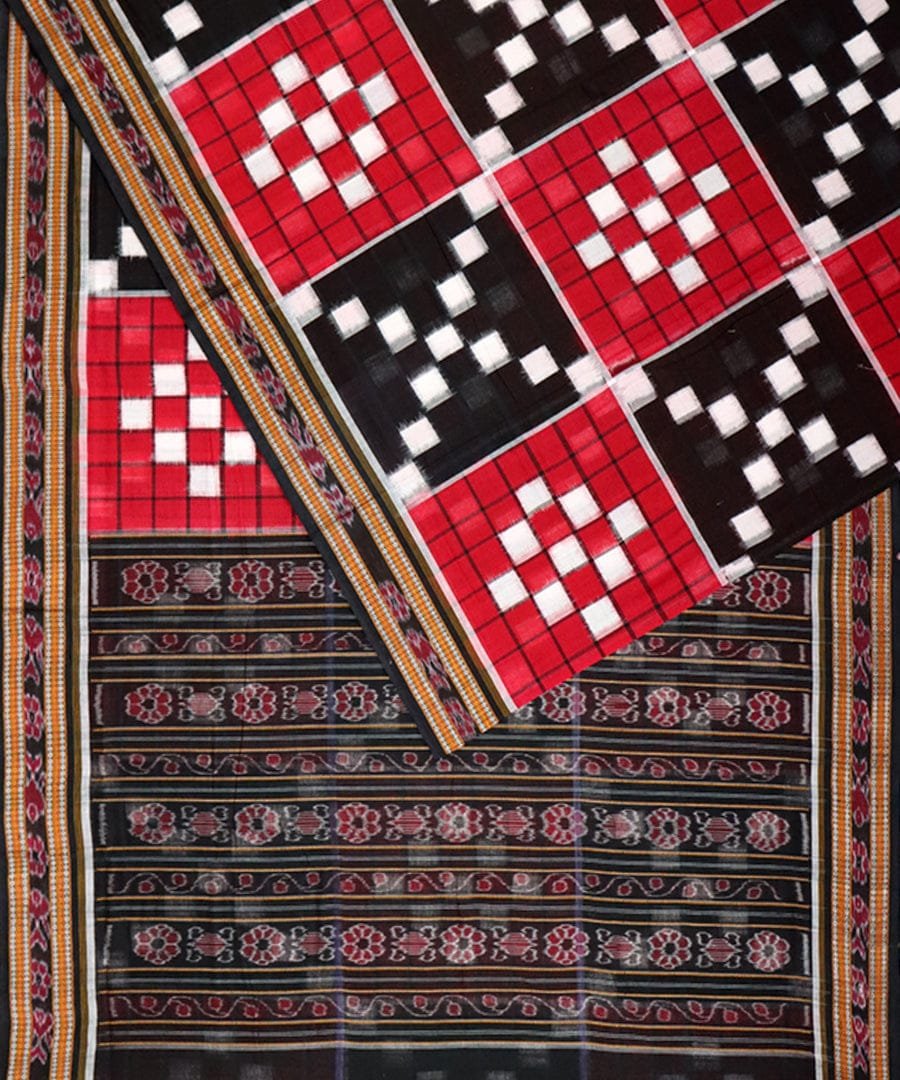
Vanti Design
Bold geometric shapes representing balance and harmony, typically using red, black, and white.
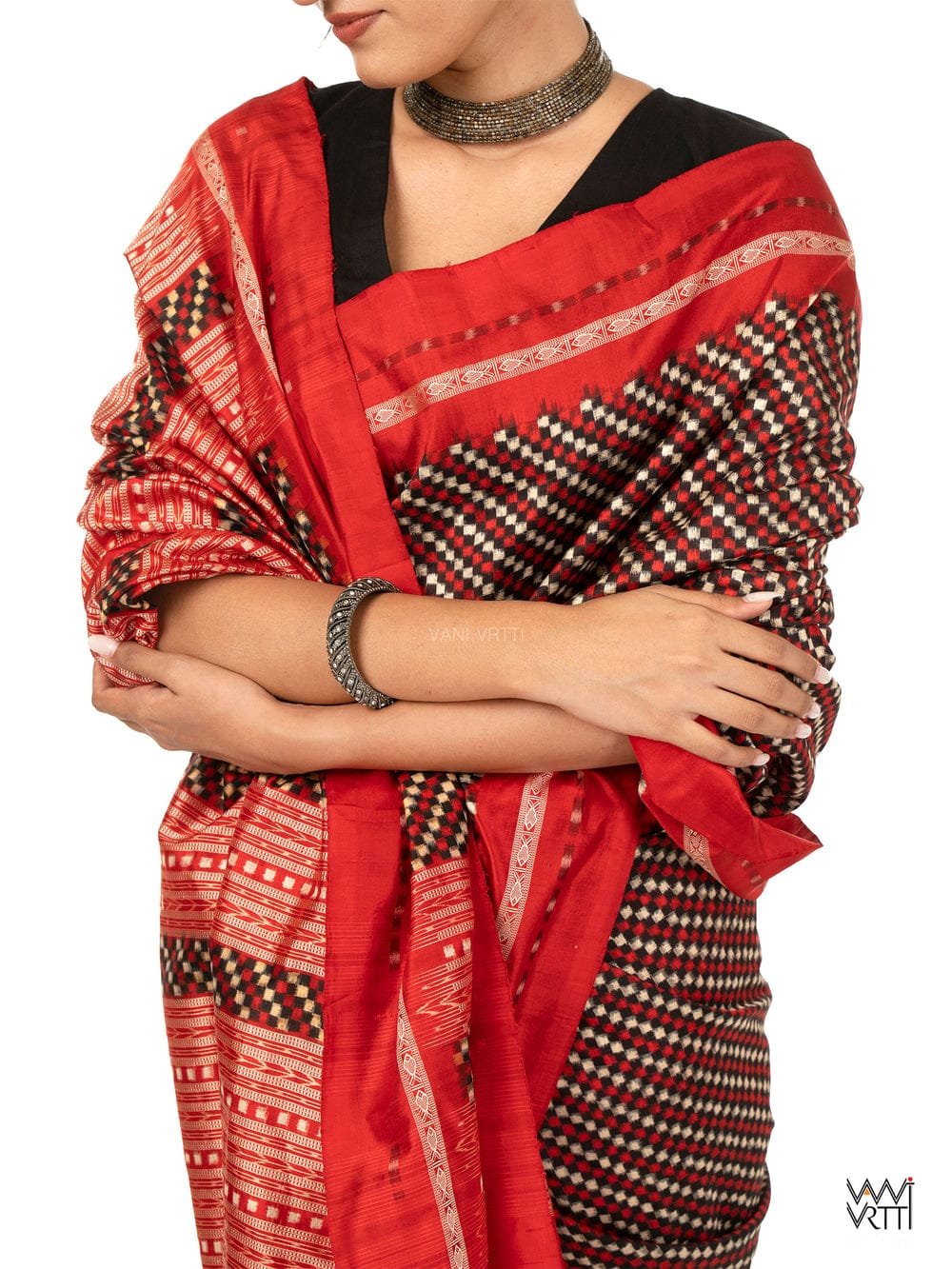
Benguni Design
Checkerboard or grid patterns symbolizing unity and balance, rendered in bold colours.
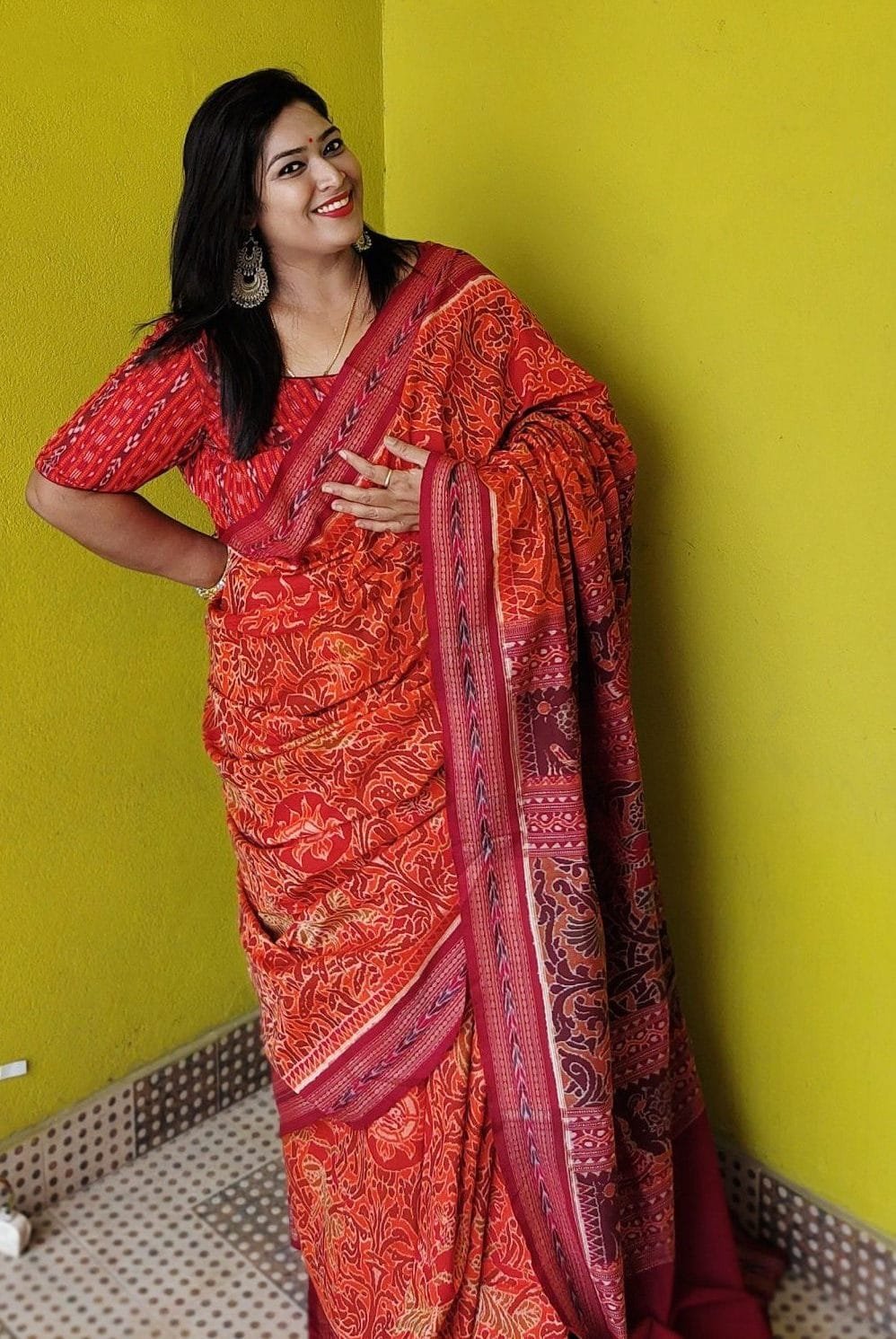
Champa Design
Inspired by the Champa flower, symbolizing beauty and spiritual growth, often in soft pastels.
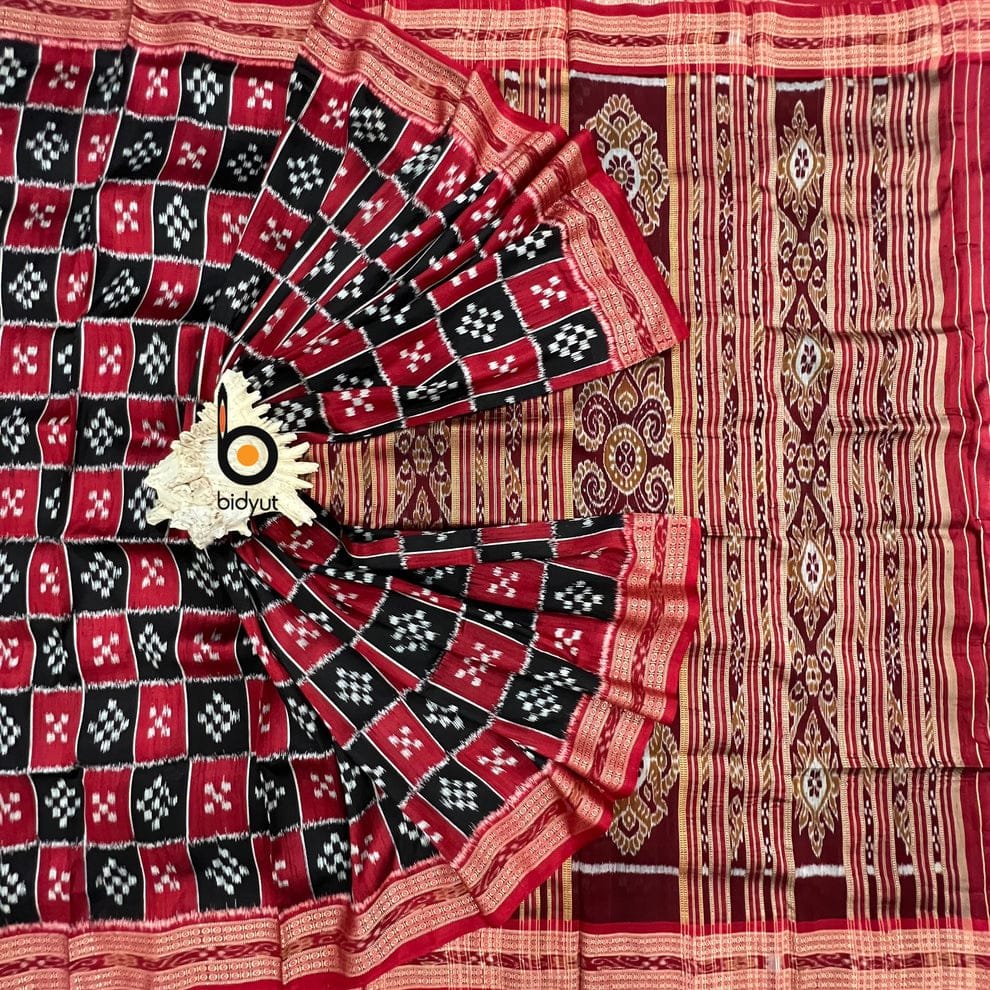
Khandua Design
Features motifs inspired by Konark and Jagannath temples, using rich reds and oranges to reflect religious significance.
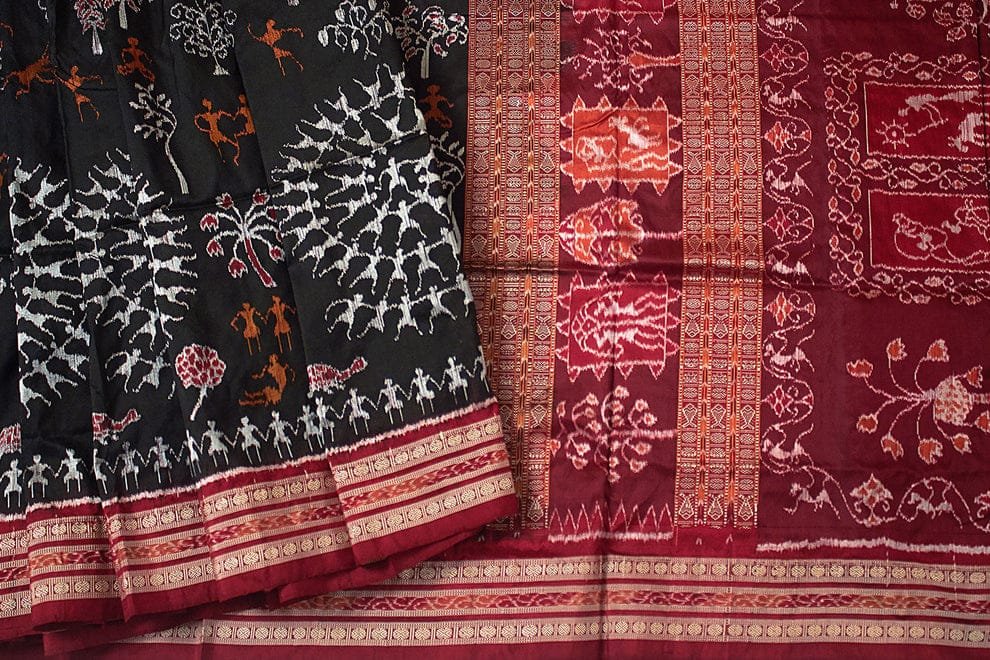
Kali Design
Diamond or circular patterns symbolizing strength and protection, rendered in earthy and bold tones.
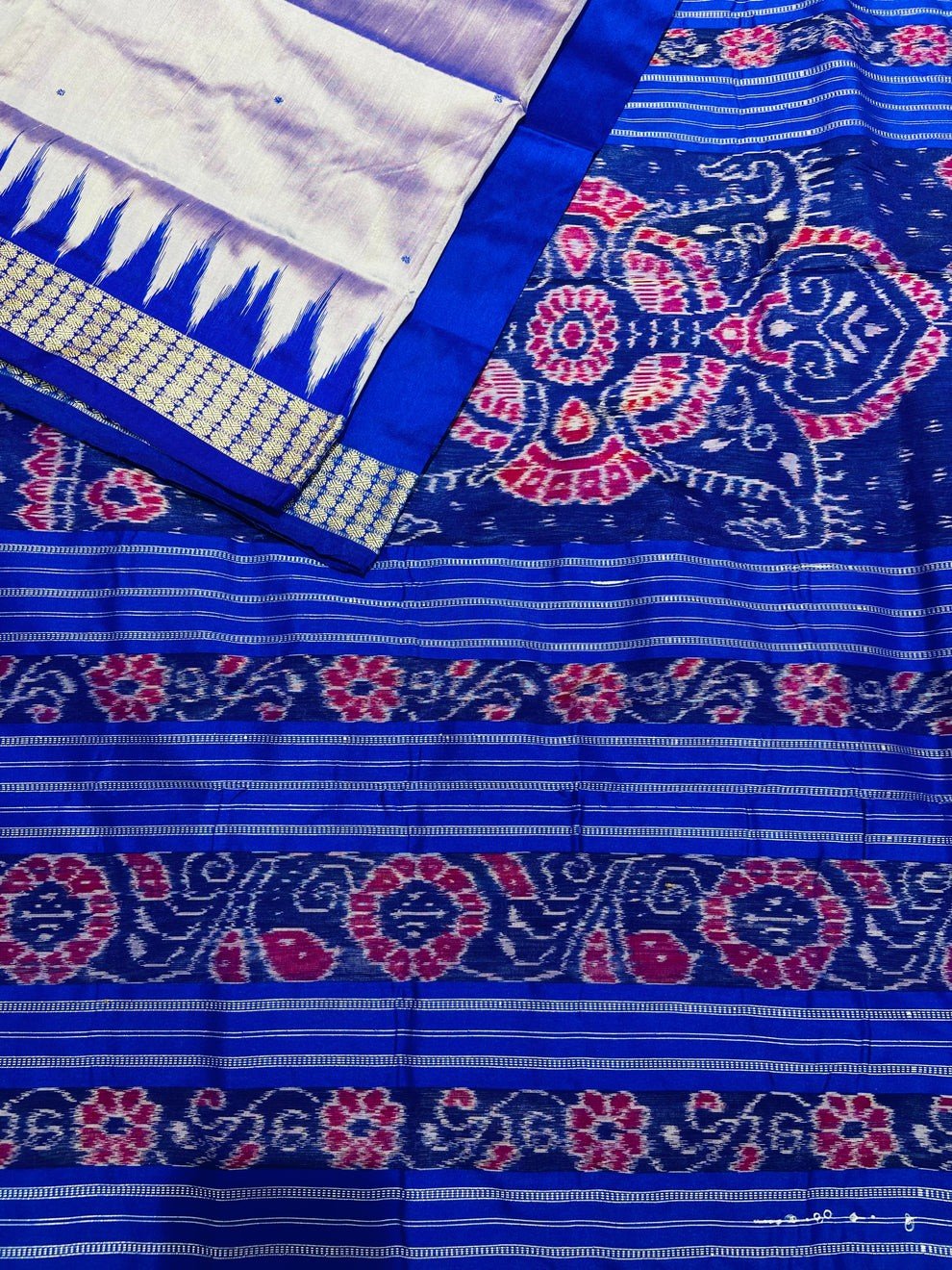
Kumbha Design
Water vessel motifs symbolizing fertility and prosperity, often in green, yellow, and blue shades.
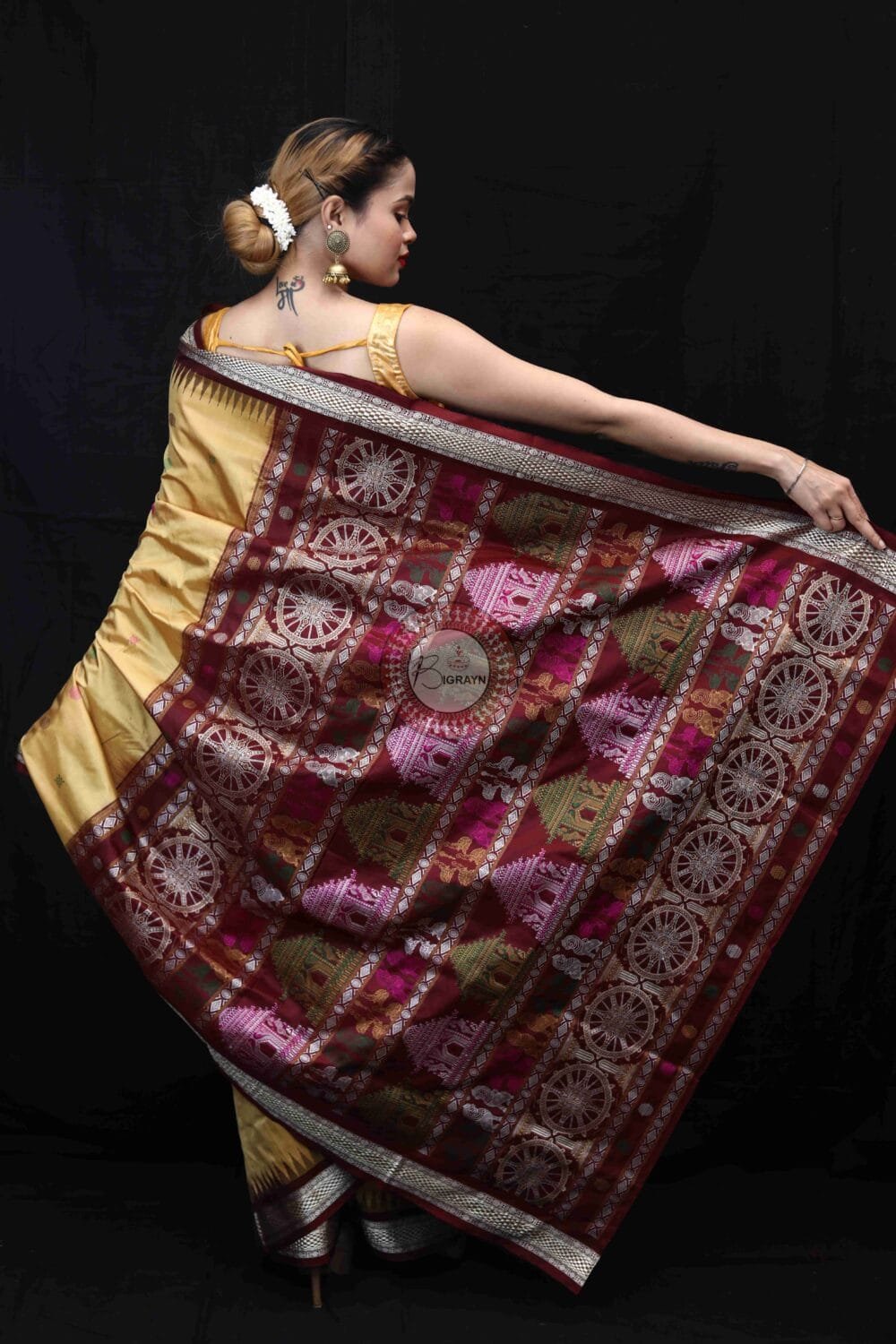
Charka Design
Inspired by the Konark Sun Temple’s wheel, symbolizing time and cosmic cycles in vibrant orange and red hues.